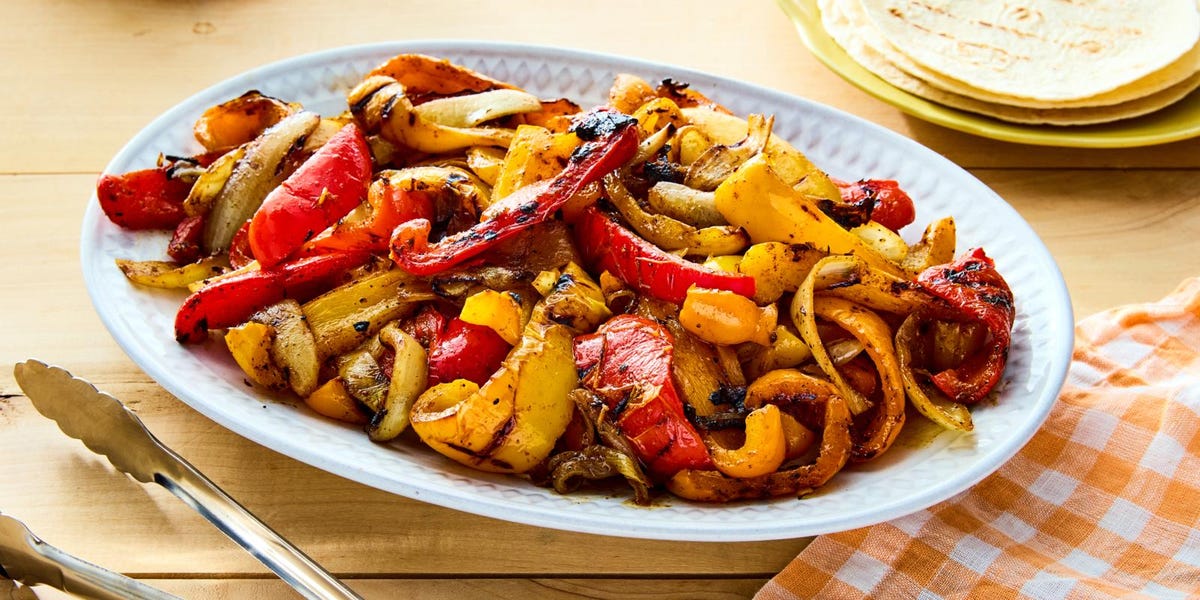
The Unsung Heroes: Why Fajita Vegetables Are Essential
When the topic of fajitas comes up, most minds immediately conjure images of sizzling platters laden with succulent steak, chicken, or shrimp. But here's a secret: while the protein certainly plays its part, the true magic, the vibrant flavor, and the undeniable Tex-Mex soul of any great fajita dish lies squarely with the
fajita vegetables. These aren't just a side act; they are the main event, bringing a symphony of textures, colors, and the signature smoky, zesty flavors that make fajitas so irresistible.
Often underestimated, perfectly cooked fajita vegetables — caramelized with a touch of char and bursting with a vibrant spice blend — transform a simple meal into an unforgettable culinary experience. They add depth, balance, and a crucial layer of flavor that complements any protein, or stands beautifully on its own for a fantastic vegetarian option. For a deeper dive into why these humble ingredients are so vital, you might want to explore
Why Fajita Veggies Are the Secret to Amazing Tex-Mex Meals.
Crafting the Perfect Blend: Best Fajita Vegetables to Choose
While traditional fajita vegetables often lean on a select few, the beauty of this dish lies in its flexibility. Understanding which vegetables work best and why will elevate your fajita game significantly.
The Classics: Peppers and Onions
No discussion of
fajita vegetables is complete without honoring the undisputed champions: bell peppers and onions. They are the foundation, bringing both visual appeal and essential flavor profiles.
- Bell Peppers: These are non-negotiable for their vibrant color and sweet, mild flavor. Using a mix of red, yellow, and orange bell peppers not only creates a stunning visual contrast on your plate but also offers subtle variations in sweetness. Red and yellow tend to be sweeter, while green bell peppers offer a slightly more robust, earthy note. Cutting them into uniform strips ensures they cook evenly and look fantastic.
- Onions: Sliced onions, especially red onions, are pivotal. Red onions are often preferred for fajitas due to their beautiful purple hue and a milder, slightly sweeter flavor when cooked down, compared to the sharper bite of white or yellow onions. When caramelized, they add an incredible depth of sweetness and a satisfying tender texture that melts in your mouth.
Beyond the Basics: Expanding Your Veggie Horizons
While peppers and onions are classic, almost any soft, quick-cooking vegetable can be a delightful addition to your
fajita vegetables mix. Experimenting beyond the traditional adds exciting new dimensions.
- Portobello Mushrooms: For a hearty, meaty texture, especially excellent for vegetarian or vegan fajitas, portobello mushrooms are a game-changer. Sliced thick, they absorb the spices beautifully and provide a satisfying umami richness.
- Roma Tomatoes: Wedges of Roma tomatoes, added towards the end of cooking, bring a burst of fresh, juicy sweetness and a lovely pop of red color. Their lower water content makes them ideal for high-heat cooking without becoming soggy.
- Zucchini and Summer Squash: Sliced zucchini or yellow summer squash adds a delicate, earthy flavor and tender texture. They cook relatively quickly and absorb the fajita seasoning wonderfully.
- Jalapeños or Poblanos: For those who love a bit of heat, thinly sliced jalapeños or poblanos can be added to the mix. Poblanos offer a milder, smoky heat, while jalapeños bring a sharper kick.
The key to incorporating these additional vegetables is to ensure they are cut into similar sizes and shapes as your peppers and onions to promote even cooking.
The Flavor Foundation: Secret Fajita Spices Unveiled
The "secret" to truly outstanding
fajita vegetables isn't just in the selection of produce; it's in the vibrant, aromatic spice blend that transforms them from ordinary to extraordinary. While store-bought packets are convenient, a homemade seasoning mix truly shines. You likely have everything you need in your pantry!
A classic homemade fajita seasoning blend typically includes:
- Cumin: Provides a warm, earthy backbone that is quintessential to Tex-Mex cuisine.
- Chili Powder: Adds a foundational mild heat and a complex blend of spices.
- Garlic Powder: Infuses a pungent, savory depth that enhances all other flavors.
- Smoked Paprika (Pimentón): This is arguably the "secret weapon." While regular paprika is fine, *smoked* paprika (sometimes labeled Pimentón or Spanish paprika) imparts an incredible, authentic smoky flavor that evokes outdoor grilling, even if you’re cooking indoors. Don't skip it if you can help it!
- Dried Oregano: Adds an herbaceous, slightly peppery note that brightens the blend.
- Kosher Salt: Essential for bringing out all the flavors.
When using store-bought fajita seasoning packets, remember they often contain salt and sometimes other spices like dried oregano already, so adjust any added salt accordingly. For a truly signature dish, creating your own blend allows you to tailor the heat and smokiness to your exact preference.
Mastering the Sizzle: Cooking Your Fajita Vegetables to Perfection
Achieving that perfect balance of tender-crispness with caramelized edges and a smoky char is what elevates good
fajita vegetables to greatness. There are several effective methods, each offering slightly different characteristics.
Grilling for Authentic Char
Grilling is arguably the most authentic way to cook fajita vegetables, imparting that distinct smoky flavor and beautiful char marks.
- The Grill Basket is Your Friend: Small pieces of sliced vegetables can easily fall through grill grates. A grill basket (either a perforated metal basket or a cage-style one you can flip) is essential for easy grilling and prevents loss.
- High Heat is Key: Preheat your grill to a medium-high heat. Toss your seasoned vegetables with a little oil before placing them in the basket.
- Sizzle and Char: Cook, stirring occasionally (or flipping your cage-style basket), until the vegetables are tender-crisp, caramelized around the edges, and show some tempting char spots. This typically takes 8-12 minutes depending on the heat and the thickness of your slices.
Oven Roasting for Easy Deliciousness
If you don't have a grill, or simply prefer a hands-off approach, oven roasting is a fantastic alternative that still delivers tender, slightly charred
fajita vegetables.
- High Temperature: Preheat your oven to a blazing 425°F (220°C). High heat is crucial for achieving that desirable caramelization and tender texture without steaming the vegetables.
- Single Layer Spread: Spread your seasoned vegetables in a single layer on a large baking sheet. Do not overcrowd the pan; use two sheets if necessary. Overcrowding will steam the vegetables instead of roasting them.
- Roast and Stir: Roast for 20 to 25 minutes, stirring the vegetables halfway through to ensure even cooking and browning. They should emerge tender with delicious browned and charred spots.
Stovetop Sizzle: Quick and Convenient
For a quick weeknight meal, a cast-iron skillet or heavy-bottomed pan on the stovetop can also produce excellent results.
- Hot Pan, Little Oil: Heat a tablespoon or two of oil in your skillet over medium-high heat until shimmering.
- Sear in Batches: Add your seasoned vegetables in batches if necessary, ensuring not to overcrowd the pan. Cook, stirring occasionally, until tender-crisp and nicely charred. This method brings a beautiful sear quickly.
Regardless of your chosen method, aiming for that balance of tender texture, vibrant color, and enticing char is the goal. For more detailed instructions on both grilling and roasting techniques, check out
How to Make Sizzling Fajita Veggies: Grill or Roast Perfectly.
Versatility Beyond the Tortilla: Ways to Enjoy Your Fajita Vegetables
The beauty of well-prepared
fajita vegetables extends far beyond their traditional role in a warm tortilla with protein. Their smoky, spicy flavor profile makes them incredibly versatile and a fantastic addition to a myriad of dishes.
Of course, the classic combination with grilled chicken, beef, or shrimp, piled into warm tortillas with your favorite toppings like salsa, guacamole, and sour cream, is always a winner. But don't stop there!
- Tacos and Burrito Bowls: Tuck them into sweet potato and black bean tacos for a hearty vegetarian meal, or spoon them over a beef burrito bowl for added texture and flavor. They're also perfect for boosting the veggie content and taste in any build-your-own bowl concept.
- Quesadillas: Fold them into a lime chicken quesadilla with melted cheese for a savory, satisfying meal.
- Salads and Grain Bowls: Add a generous scoop of hot or cold fajita vegetables to your favorite green salad or grain bowl for an instant flavor upgrade.
- Omelets and Scrambles: Incorporate them into your morning eggs for a Tex-Mex twist on breakfast or brunch.
- Side Dish: Simply serve them as a vibrant, flavorful side dish to grilled meats, roasted chicken, or even fish.
Their ability to infuse dishes with a taste of Tex-Mex sunshine makes them an invaluable ingredient to have on hand, whether freshly made or prepped for meal planning.
Conclusion
The journey to mastering the perfect fajita is incomplete without giving due reverence to the humble yet mighty
fajita vegetables. From the foundational bell peppers and onions to adventurous additions like portobello mushrooms and zucchini, and the secret weapon of a homemade spice blend featuring smoked paprika, these elements are key to unlocking an explosion of flavor. Whether you choose to grill, roast, or sizzle them on the stovetop, aiming for that perfect char and tender-crisp bite will transform your meal. So, next time you're planning fajita night, remember: don't just add the veggies, celebrate them. They are, after all, the secret ingredient to truly amazing Tex-Mex meals.