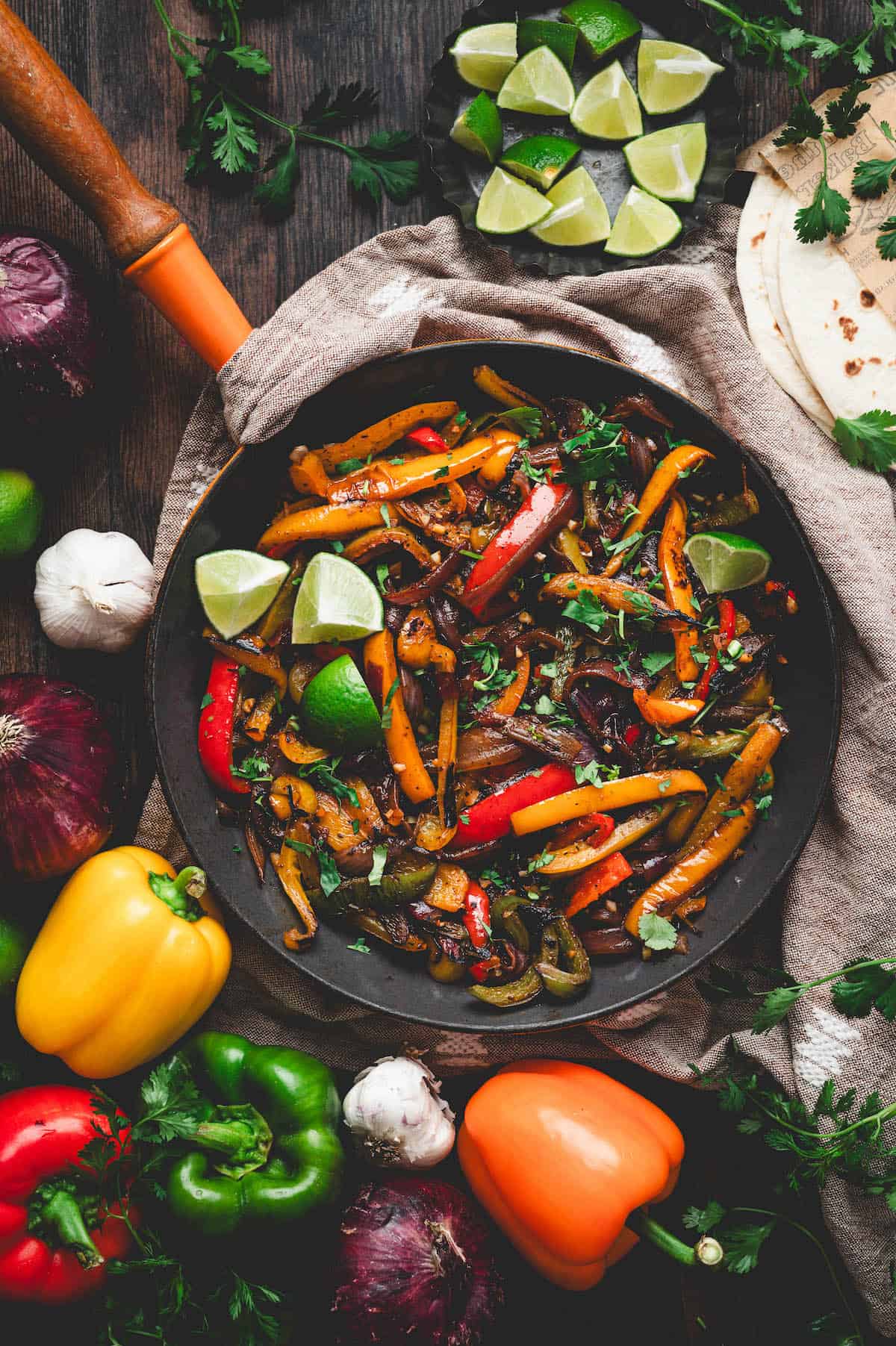
How to Make Sizzling Fajita Veggies: Grill or Roast Perfectly
While the juicy sizzle of steak or chicken often steals the spotlight on fajita night, ask any Tex-Mex enthusiast, and they'll tell you the real magic, the true depth of flavor, comes from the perfectly cooked fajita vegetables. These vibrant, caramelized, and slightly charred peppers and onions are the unsung heroes, delivering that irresistible smoky zest that makes every bite truly special. Whether piled high in a warm tortilla with your favorite protein or as a standalone star, mastering the art of sizzling fajita veggies elevates your entire meal. This comprehensive guide will walk you through everything you need to know, from selecting the best produce and crafting a killer spice blend to achieving that ideal char, whether you choose to grill or roast.
The Unsung Heroes: Why Fajita Vegetables Are Essential
Many relegate vegetables to a mere side dish, but when it comes to fajitas, they are integral to the experience. The classic combination of bell peppers and onions isn't just for color; it's about building layers of flavor and texture. As they cook, the natural sugars caramelize, intensifying their sweetness and creating those coveted charred edges that provide a smoky counterpoint to the vibrant spices. This transformation yields a succulent yet firm texture that provides a satisfying bite alongside any meat or plant-based protein.
These flavorful foundations aren't just fillers; they are flavor enhancers. Their aromatic qualities meld with the bold spices to create a symphony of tastes that defines authentic fajitas. Skipping the veggies means missing out on a crucial element of this beloved dish's character. Trust us, once you experience fajitas with perfectly cooked vegetables, there's no going back. They bring a freshness and a robust flavor that makes them an indispensable component of any Tex-Mex feast. For a deeper dive into their importance, explore Why Fajita Veggies Are the Secret to Amazing Tex-Mex Meals.
Crafting Your Perfect Fajita Veggie Blend
Classic Choices & Beyond
The foundation of any great fajita veggie mix starts with bell peppers and onions. For maximum visual appeal and a spectrum of flavors, opt for a mix of red, yellow, and green bell peppers. Orange bell peppers also make a wonderful addition, lending a slightly sweeter note to the medley. When it comes to onions, red onions are often preferred for their milder flavor when cooked and their striking purple hue, which adds to the dish's vibrant presentation. Slice both peppers and onions into uniform strips to ensure even cooking.
But why stop there? While these are the quintessential choices, almost any soft, quick-cooking vegetable can be a fantastic addition. Consider:
- Portobello Mushrooms: Sliced thickly, these offer a hearty, meaty texture and rich umami flavor, making them an excellent choice, especially for vegetarian or vegan fajitas.
- Roma Tomatoes: Cut into wedges, they add a burst of juicy freshness. Add them towards the end of cooking to prevent them from becoming too mushy.
- Zucchini or Summer Squash: Sliced into half-moons or sticks, they cook quickly and absorb the spices beautifully.
The key is to select vegetables that cook at a similar rate and won't release too much water, which could steam rather than char them. Avoid overly watery vegetables unless you plan to cook them separately to release moisture first.
The Zesty Spice Blend: Homemade vs. Store-Bought
The magic truly happens when these fresh vegetables are coated in a vibrant, zesty spice blend. While store-bought fajita packets offer convenience, crafting your own seasoning blend ensures freshness, allows for customization, and uses ingredients you likely already have in your pantry. A classic homemade blend typically includes:
- Cumin: Essential for that earthy, warm Tex-Mex flavor.
- Chili Powder: Adds a mild, smoky heat.
- Garlic Powder: A foundational aromatic.
- Smoked Paprika (Pimentón): This is the secret weapon! Smoked paprika, often labeled pimentón or Spanish paprika in specialty shops, imparts a deep, authentic smokiness that elevates the flavor profile significantly. While regular paprika is fine, you'll miss out on this unique depth.
- Kosher Salt & Freshly Ground Black Pepper: To taste, crucial for bringing out all the other flavors.
- Dried Oregano: A common addition, particularly in store-bought mixes, that adds an aromatic, slightly bitter counterpoint.
If opting for a store-bought packet, remember that they often contain salt and sometimes dried oregano, so adjust your seasoning accordingly. Generally, 2 tablespoons of packet mix can substitute for a homemade blend, but always taste and adjust. For more insights on perfecting your flavor profile, check out Best Fajita Vegetables: Secret Spices & Perfect Combinations.
Mastering the Cook: Grill or Roast for Sizzling Perfection
The cooking method plays a crucial role in achieving that sought-after texture and flavor. Both grilling and roasting offer excellent results, each imparting slightly different characteristics to your fajita vegetables.
Grilling Fajita Vegetables for Maximum Char
Grilling is arguably the quintessential method for fajita vegetables, imbuing them with an unparalleled smoky flavor and beautiful char marks. However, sliced vegetables can easily fall through grill grates, which is where a grill basket becomes your best friend. Look for a perforated metal basket with an open top or a cage-style basket that you can flip easily.
Grilling Tips:
- Prep & Season: Toss your uniformly sliced vegetables with a tablespoon or two of oil (like avocado or canola) and your chosen spice blend until thoroughly coated.
- Preheat: Heat your grill to a medium-high temperature.
- Use a Grill Basket: Spread the seasoned vegetables in a single layer within your grill basket. Avoid overcrowding, as this can lead to steaming instead of charring.
- Cook & Flip: Grill for 10-15 minutes, stirring or flipping the basket every few minutes, until the vegetables are tender-crisp and display enticing caramelized spots and a slight char.
The direct heat and open flame impart a depth of flavor that's hard to replicate, making grilled fajita vegetables a truly authentic experience.
Roasting Fajita Vegetables in the Oven
If you don't have a grill, or simply prefer the convenience of oven cooking, roasting your fajita vegetables is an equally delicious and effective method. The oven provides consistent, even heat, allowing the vegetables to tenderize and caramelize beautifully.
Roasting Tips:
- Prep & Season: Just like with grilling, toss your sliced vegetables with oil and the spice blend.
- Preheat Oven: Preheat your oven to a robust 425°F (220°C). This high temperature is key to achieving tender interiors and charred edges.
- Single Layer on Baking Sheet: Spread the seasoned vegetables in a single layer on a large baking sheet. Use parchment paper for easy cleanup. Crucially, do NOT overcrowd the pan. If you have too many vegetables, use two baking sheets. Overcrowding will trap moisture and result in steamed, soggy vegetables rather than perfectly roasted, charred ones.
- Roast & Stir: Roast for 20 to 25 minutes, stirring the vegetables halfway through, until they are tender and caramelized with appealing charred spots. Keep an eye on them towards the end, as oven temperatures can vary.
The oven method is fantastic for meal prep, allowing you to prepare a large batch of flavorful fajita vegetables with minimal effort.
Versatility Beyond Fajitas: Embracing Your Veggies
Once you've mastered these sizzling fajita vegetables, you'll find their utility extends far beyond just fajita night. Their smoky, spicy, and slightly sweet flavor profile makes them incredibly versatile. Tuck them into:
- Tacos: Transform simple sweet potato and black bean tacos into a gourmet experience.
- Burrito Bowls: Spoon them over a beef burrito bowl for added texture and flavor, or use them as the primary filling for a vegetarian bowl.
- Quesadillas: Fold them into a lime chicken quesadilla for a burst of vibrant taste.
- Eggs: Incorporate them into scrambled eggs, omelets, or breakfast burritos for a zesty morning meal.
- Salads & Wraps: Add a Tex-Mex twist to your everyday salads or wraps.
- Sandwiches: Layer them into a hot or cold sandwich for an unexpected kick.
These vegetables are truly a culinary chameleon, ready to enhance almost any dish with their irresistible Tex-Mex charm.
Don't ever underestimate the power of perfectly cooked fajita vegetables. They are not just an accompaniment; they are the heart and soul of an authentic fajita experience. With their vibrant colors, dynamic textures, and complex flavors, these humble peppers and onions, transformed by a zesty spice blend and the magic of heat, become the stars of the show. Whether you prefer the smoky char of the grill or the consistent caramelization of the oven, following these tips will ensure your fajita vegetables are always sizzling, flavorful, and unforgettable. So, next time you're planning fajita night, remember to give these unsung heroes the attention they deserve – your taste buds will thank you!
